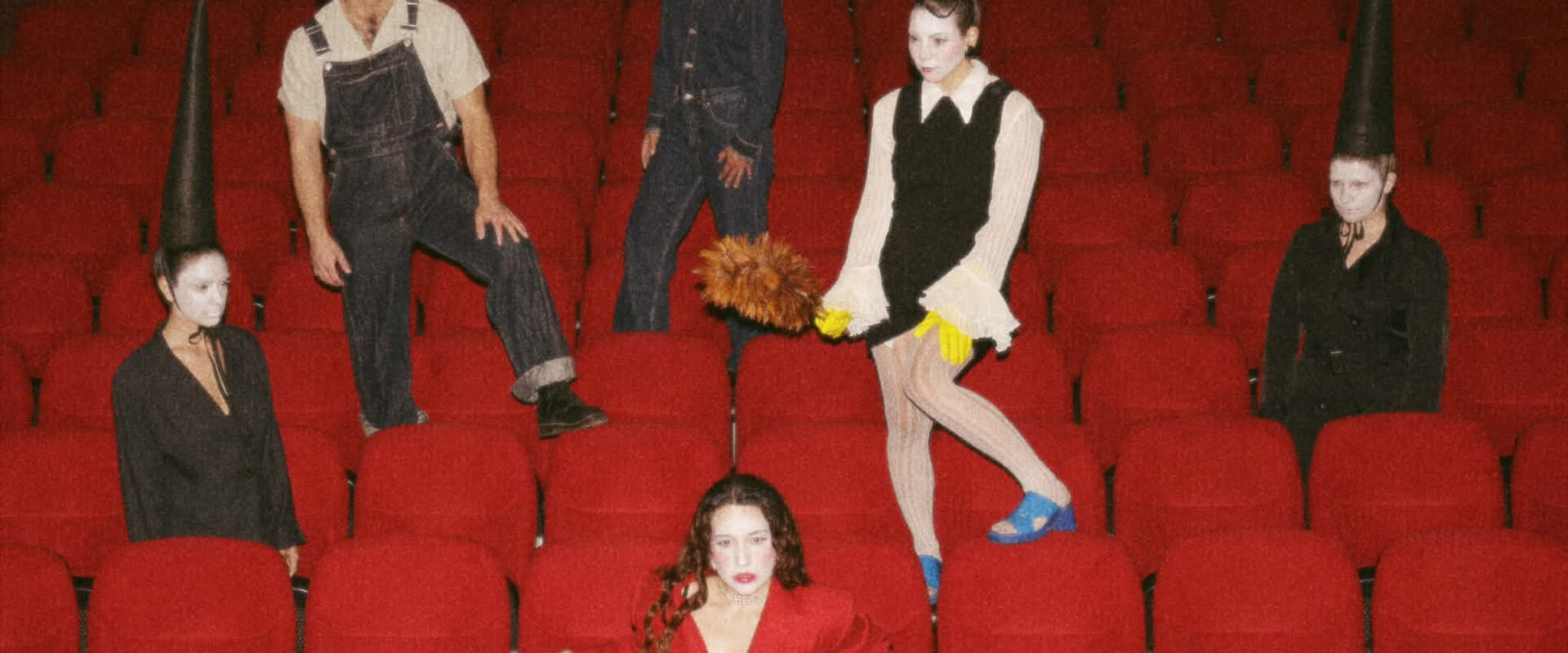
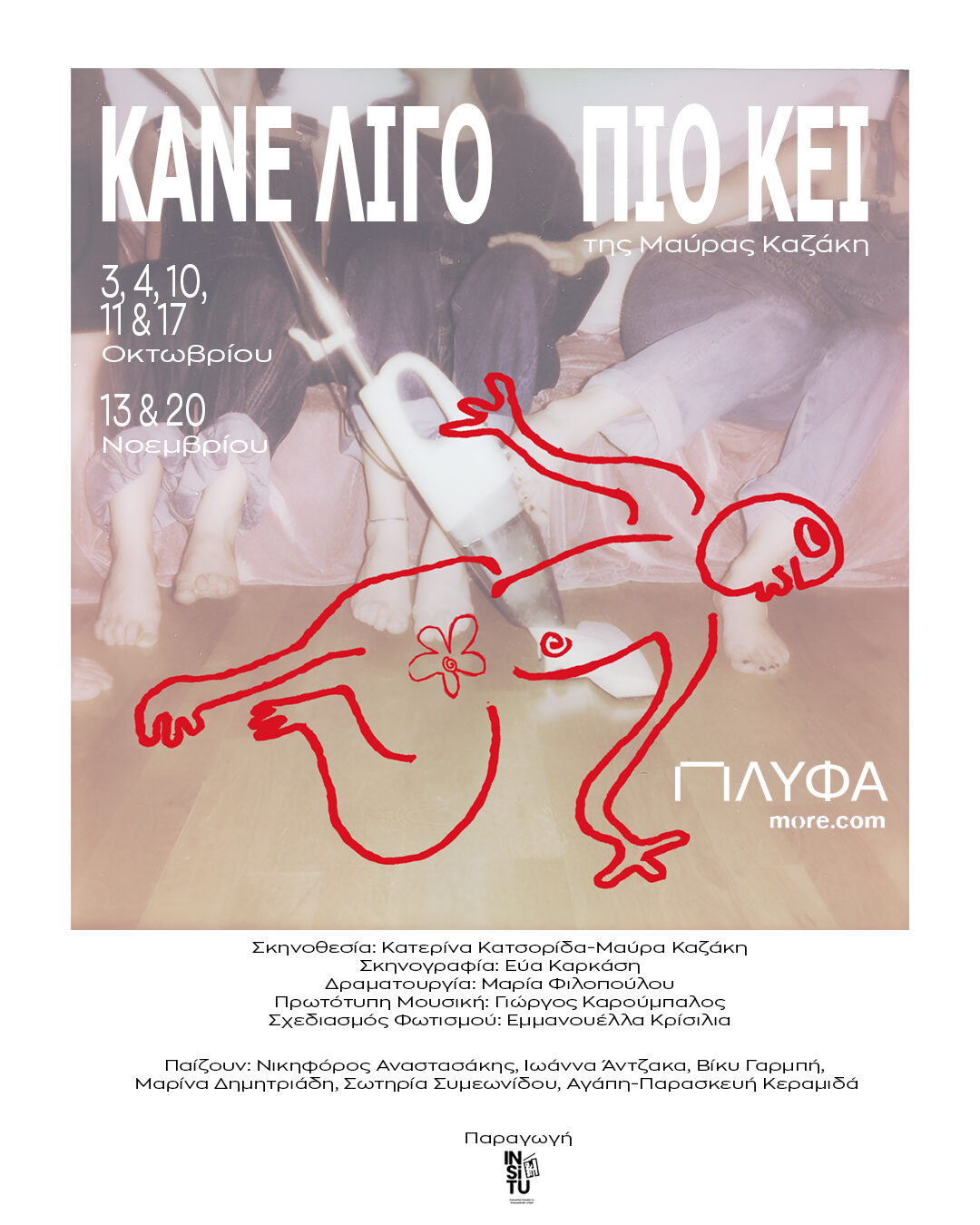
Kane ligo pio kei
Mutabor
October 3, 4, 10, 11 & 17 and November 13 & 20, 2026
Stench. We’re surrounded by corpses again.
The Mutabor theatre company presents the original play Kane ligo pio kei, a performance that explores, through the absurd, the grotesque and the painfully familiar, the human need for freedom, the burden of social roles, family, love, alienation and death.
In an apartment.
High-ceil-inged. Clut-tered.
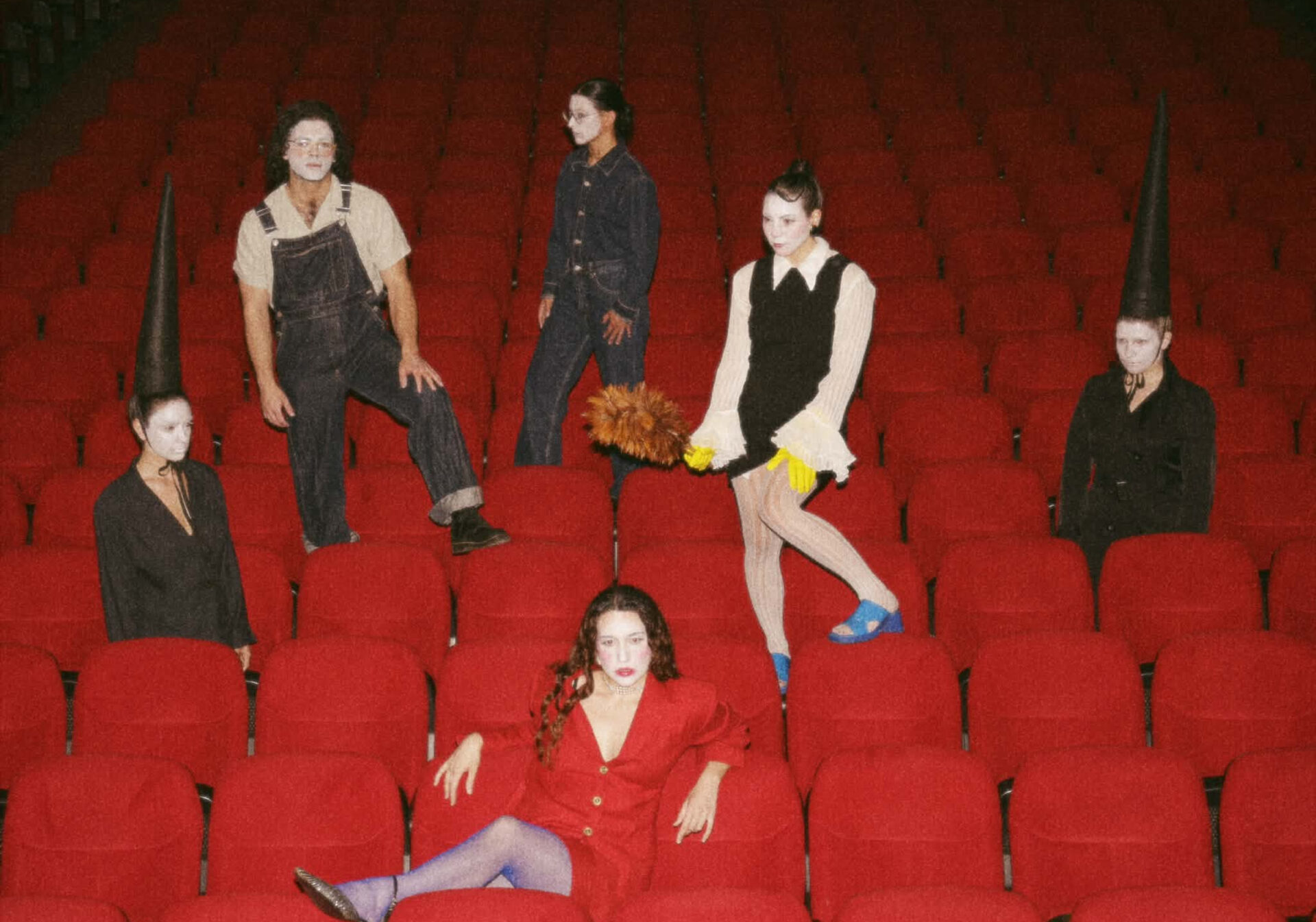
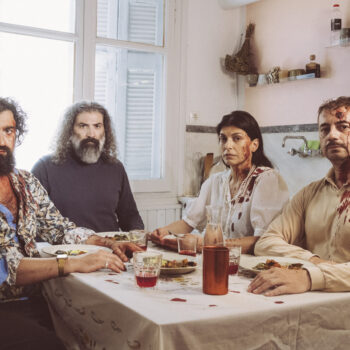
Inside, a Lady, a Maid, a son, Lo, and between them, the corpses.
Always inside.
Locked in the house, they try to digest the roles they believe life has forced upon them.
But what happens when someone decides not to obey? Resisting social conventions can bring freedom. But is everyone capable of handling the weight of being free?
The Play
In a high-ceilinged, cluttered apartment lives Lo’s family: the Lady, his mother, a Maid, and corpses.
Lo works as a corpse cleaner. His daily encounters with the dead exhaust him, while at the same time becoming, paradoxically, a form of liberation.
The Lady constantly demands that he fulfil roles, identities, wishes and chores. She grows increasingly irritated; the more pressure he is under, the more he rises up against her.
Completing the picture is the Maid, who is constantly searching for her mop.
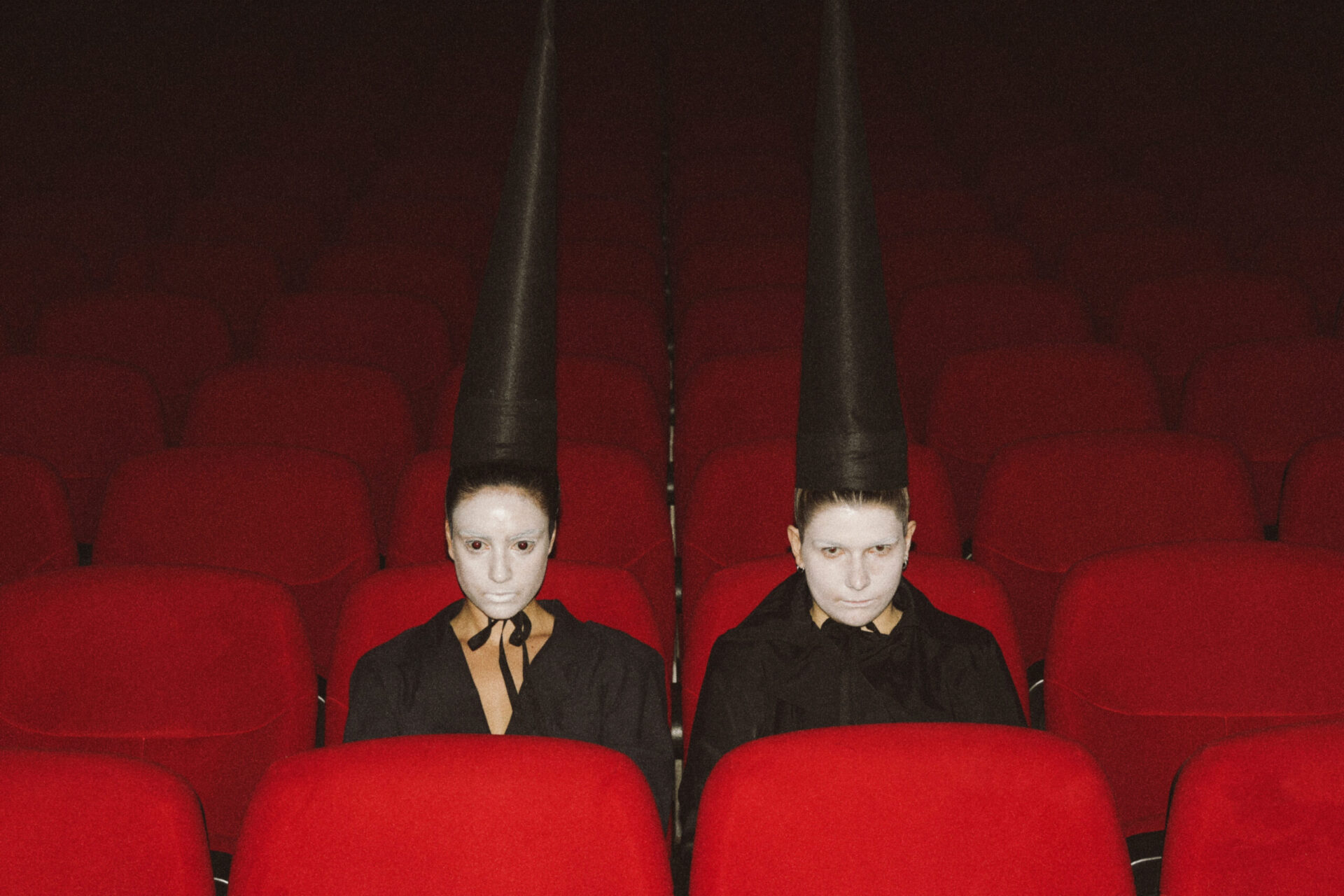
And the corpses? Like conductors, they shape the flow of the story as the characters gradually begin to lose their sense of self and their certainties.
Until a letter disrupts the fragile balance.
In the end, if you free yourself from the role you were given, are you ready to take responsibility for your freedom?
The Performance
Kane ligo pio kei places at its centre the responsibility that comes with shedding social roles.
In a society that demands that we all be functional, useful and accepted, what price does someone pay when they refuse to conform to the profile of the “healthy”, socially acceptable person?
What happens when someone does not want to perform the role assigned to them? How much alienation and loneliness can freedom conceal? And how easily does difference become deviation, and deviation become stigma?
In the world of the play, the corpses embody the doubt that arises when people feel inadequate in the face of what is expected of them.
Why do we build our own prison and remain inside it, even when there is an escape plan?
And ultimately: do the characters find liberation, or do they remain imprisoned?
Duration: 80 minutes
 02—04
02—04 08—17
08—17 18
18 23
23 24
24 29—30
29—30 28 Oct—01 Nov
 31 Oct—01 Nov
 12 Oct—16 Nov
 12 Oct—24 Nov
 06—07
06—07 19—27
19—27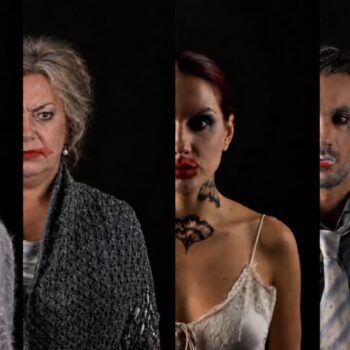 18 Nov—17 Dec
 13 Nov—20 Dec
 30 Nov—22 Dec
 14 Nov—10 Jan
 10—13
10—13